
Coffee announces itself. Cacao works differently. Both plants contain naturally occurring compounds from the methylxanthine family, but they do not contain them in the same proportions, and a piece of dark chocolate is not pharmacologically interchangeable with a cup of coffee.
Does cacao contain caffeine?
Yes. Cacao naturally contains caffeine. Saying cacao is caffeine-free is inaccurate unless a specific tested product has had caffeine removed. The amount in chocolate varies with cacao genetics, origin, fermentation, formulation, cacao percentage, and serving size.
The more useful distinction is not caffeine versus zero caffeine. It is which methylxanthine is present in greater concentration. In coffee, that is generally caffeine. In cacao, it is generally theobromine.
What is theobromine?
Theobromine is a naturally occurring compound found most abundantly in cacao. Despite the name, it does not contain bromine. The word comes from Theobroma, the botanical genus of the cacao tree.
Theobromine and caffeine are chemically related. Both can block adenosine receptors, part of the signaling system involved in sleep pressure and wakefulness. They are not identical in potency or how the body handles them. Reviews of the pharmacology report that theobromine has substantially less central nervous system activity than caffeine and a longer average plasma half-life in studied adults. That difference may help explain why people describe cacao and coffee differently, but it does not predict exactly how any one person will feel.
Cacao vs. coffee at a glance
- Coffee: usually much more caffeine, a well-studied stimulant effect, and enormous variation by bean, roast, brew method, and serving.
- Cacao: usually much more theobromine than caffeine, plus fat, fiber, polyphenols, minerals, sugar, and other ingredients depending on the product.
- Dark chocolate: not the same as cacao powder or cacao nibs. A bar's recipe and serving size matter.
- Your experience: affected by sensitivity, medications, sleep, food intake, portion, and total caffeine or methylxanthines consumed that day.

Why the feeling is not a universal formula
Online discussions often describe theobromine as smooth, euphoric, heart-opening, or crash-free. Those descriptions may reflect genuine personal experiences. They are not guaranteed outcomes, and they are not a substitute for dose information or controlled evidence.
The composition of chocolate makes the comparison even messier. A bar may include sugar, milk, oat ingredients, fruit, coffee, or other inclusions. Eating is slower than drinking. Portions differ. The sensory pleasure of aroma, texture, and flavor also affects how a food is experienced. A dramatic claim about a single molecule can erase the actual food.
Three claims worth retiring
“Cacao has no caffeine”
False in general. Cacao contains caffeine, usually at lower levels than coffee, and it also contains theobromine.
“Theobromine is basically caffeine”
Too simple. They are related methylxanthines, but their receptor activity, potency, metabolism, and common dietary concentrations differ.
“Cacao gives energy without a crash”
Possible as a personal description, not defensible as a universal product promise. Sleep, dose, sugar, food intake, sensitivity, and expectations can all change the experience.
So which should you choose?
Choose coffee when you want coffee: its aroma, bitterness, ritual, and a more direct caffeine experience. Choose cacao when you want cacao: deep flavor, texture, theobromine-dominant chemistry, and food rather than a stimulant delivery system. Choose both when the flavors make sense together.
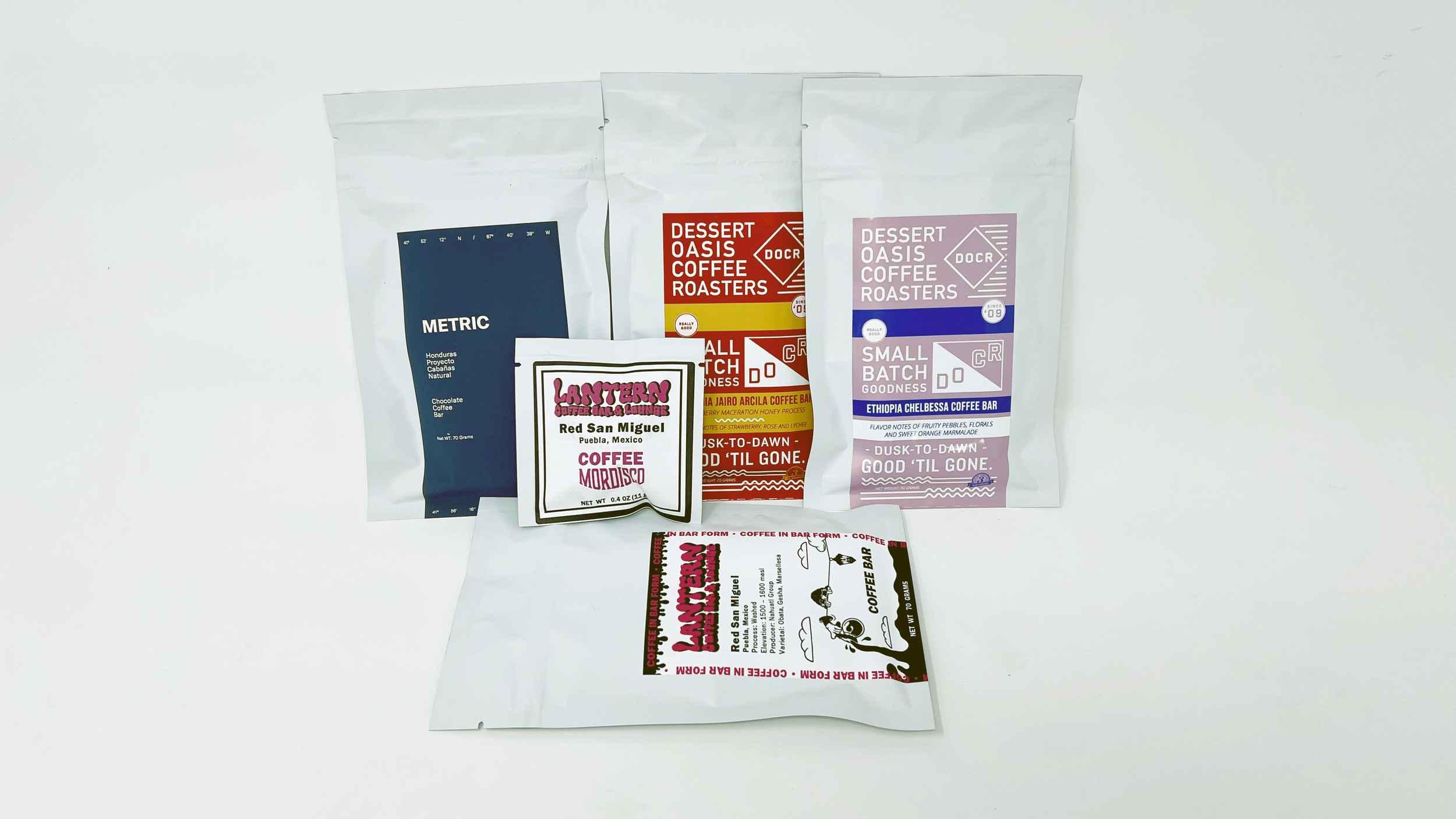
That last option is exactly why Atucún makes a Honduran Coffee Bar. Coffee lifts cacao's roast and fruit notes. Cacao rounds the coffee into something slower, richer, and edible. Fully fuel. Fully indulgent. Fully human.
Cacao and coffee FAQ
Can cacao replace coffee?
It can replace the ritual for some people, but it will not deliver the same caffeine dose or necessarily the same subjective effect. Cacao is its own food, not decaf coffee in a different costume.
Does darker chocolate contain more theobromine?
Often, because darker chocolate generally contains more cacao solids. Exact amounts still depend on the beans, formulation, and portion.
Will cacao keep me awake?
It can for some people. Cacao contains both theobromine and caffeine, and sensitivity varies. If sleep is a concern, try a small portion earlier in the day and pay attention to your response.
Is theobromine safe for dogs?
No. Dogs metabolize theobromine much more slowly than humans, so chocolate can be toxic to them. Keep chocolate away from pets and contact a veterinarian or animal poison service if ingestion occurs.
Taste the difference, not the hype
The strongest case for cacao is not a miracle claim. It is the fruit, the fermentation, the maker, and the flavor. Shop Atucún chocolate or read how cacao becomes chocolate from fruit to bar.


