
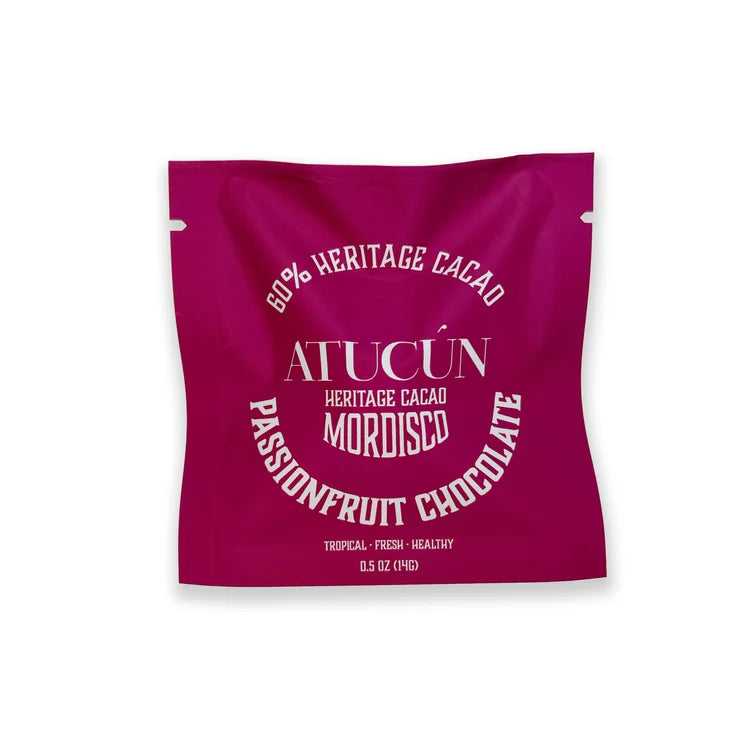
The dark chocolate shelf has become loud. Percentages shout from wrappers. Words like premium, artisan, healthy, clean, and intense compete for attention. But a good dark chocolate bar is quieter than that. It does not need to perform. It needs to tell you where it came from, what is in it, and why it tastes alive.
Start With the Back of the Wrapper
The front of a chocolate bar is marketing. The back is evidence. Start with the ingredient list. For a serious dark chocolate bar, cacao and sugar are the foundation. Cocoa butter may be included, especially in many craft bars, because it is the natural fat of the cacao bean. Real inclusions like sea salt, coffee, fruit, or spice can be beautiful when they are chosen with care.
What you want to watch for is correction: soy lecithin, artificial vanilla, vague natural flavors, vegetable oils, and long lists of stabilizers. None of those automatically make a bar unsafe. They simply tell you the maker is solving production problems that better cacao and slower processing could have solved more honestly.
Percentage Is Useful, But It Is Not a Score
Cacao percentage tells you how much of the bar comes from cacao components. A 70 percent bar is roughly 70 percent cacao and 30 percent everything else, usually sugar. That is useful. It helps you choose intensity. It does not tell you whether the cacao was grown well, fermented properly, roasted with care, or blended into anonymity.
For most people, 60 to 70 percent is the best place to begin. It gives enough cacao to taste origin while keeping the experience generous and approachable. Higher percentages can be extraordinary, but they expose every flaw in the bean and the fermentation. If the cacao is not excellent, a higher percentage only gives you more of the problem.
Origin Is Where Flavor Begins
Dark chocolate is agricultural. Soil, rainfall, altitude, shade trees, cacao variety, harvest timing, and fermentation all shape flavor before a maker ever turns on a roaster. That is why named origin matters. Honduras is not the same as Madagascar. Comayagua is not the same as Wampusirpi. Palmichal is not Terrero Blanco.
Atucún focuses on Honduran cacao because Honduras carries a deep cacao legacy and because the regions we work with produce distinct flavor. Some origins bring bright fruit. Others lean earthy, floral, or warm with spice. If a wrapper can only say cocoa without naming a place, it is asking you to trust a story it has not told.
Match the Bar to the Moment
- For someone new to dark chocolate, start with a balanced 60 percent bar. It is the gateway to real cacao without the shock of very low sugar.
- For someone who already loves dark chocolate, choose a 70 percent single-origin bar and let it melt slowly.
- For a tasting night, compare two origins at a similar percentage so the land, not the recipe, becomes the difference.
- For cooking or baking, use clean chocolate chunks or bars without waxy stabilizers that fight the melt.
- For gifting, choose a sampler or mordisco format so the recipient can explore instead of guessing.
How to Taste Before You Decide
Break the bar and listen. A clean snap usually means good tempering. Smell the broken edge before eating. Let the piece melt instead of chewing immediately. Notice whether the flavor opens, changes, and lingers. Fine chocolate has movement: a first note, a middle, a finish. Commodity chocolate tends to arrive all at once and disappear quickly.
This is why the best dark chocolate is worth slowing down for. It is not just sweet and bitter. It can taste like dried cherry, warm spice, coffee, flowers, cacao husk, or forest floor, with none of those flavors added. They come from the bean and the process.
Where to Begin With Atucún
If you are new to our chocolate, start with the 60 percent Honduran bar. It is approachable, clean, and built to change the mind of someone who thinks dark chocolate is always bitter. If you already enjoy dark chocolate, move to the 70 percent bar. For intensity, explore the 90 percent bar.
If you want to understand origin, choose a tasting journey instead of one bar. The bundle page lets you compare formats and flavors side by side. That is where chocolate stops being a category and starts becoming a landscape.
A Note on Health Claims
Dark chocolate contains cacao solids, and cacao contains minerals and plant compounds people often care about. But chocolate is not medicine and should not be treated as a supplement. If you are managing kidney disease, IBS, diabetes, allergies, or any medical diet, ask a qualified clinician and read each product label carefully. Our job is to make honest chocolate, not to make medical promises.
The simplest rule is still the best: choose named origin, short ingredients, and a maker willing to tell you exactly how the bar came to life.


