Honduran cacao has a long memory. It also has a present tense. The story moves from ancient vessels in the lower Ulúa Valley to farms above San Jerónimo, from sweet pulp and fermentation to bars made by people who can name the place and the producer.
The Ulúa Valley and some of cacao's earliest evidence
Cacao originated farther south in the Americas, but Mesoamerican communities transformed how the fruit was cultivated, processed, valued, and shared. At Puerto Escondido, researchers identified cacao residues in pottery dating to before 1000 B.C. Their evidence pushed confirmed cacao beverage use in the region hundreds of years earlier than previously documented.
The researchers argue that the first drinks were likely fermented from the fruit's sweet pulp. Later vessels point toward beverages made from the seed, part of the path toward what we now recognize as chocolate. The lower Ulúa Valley remained famous for high-quality cacao centuries later, including at the time of Spanish contact.
That does not make every modern Honduran bar ancient, and it does not give any company ownership over Indigenous history. It gives makers a responsibility to be precise. Cacao in Honduras is not a trend imported for packaging. It belongs to a deep regional story that continues through living agriculture and craft.

Comayagua: cacao in the interior highlands
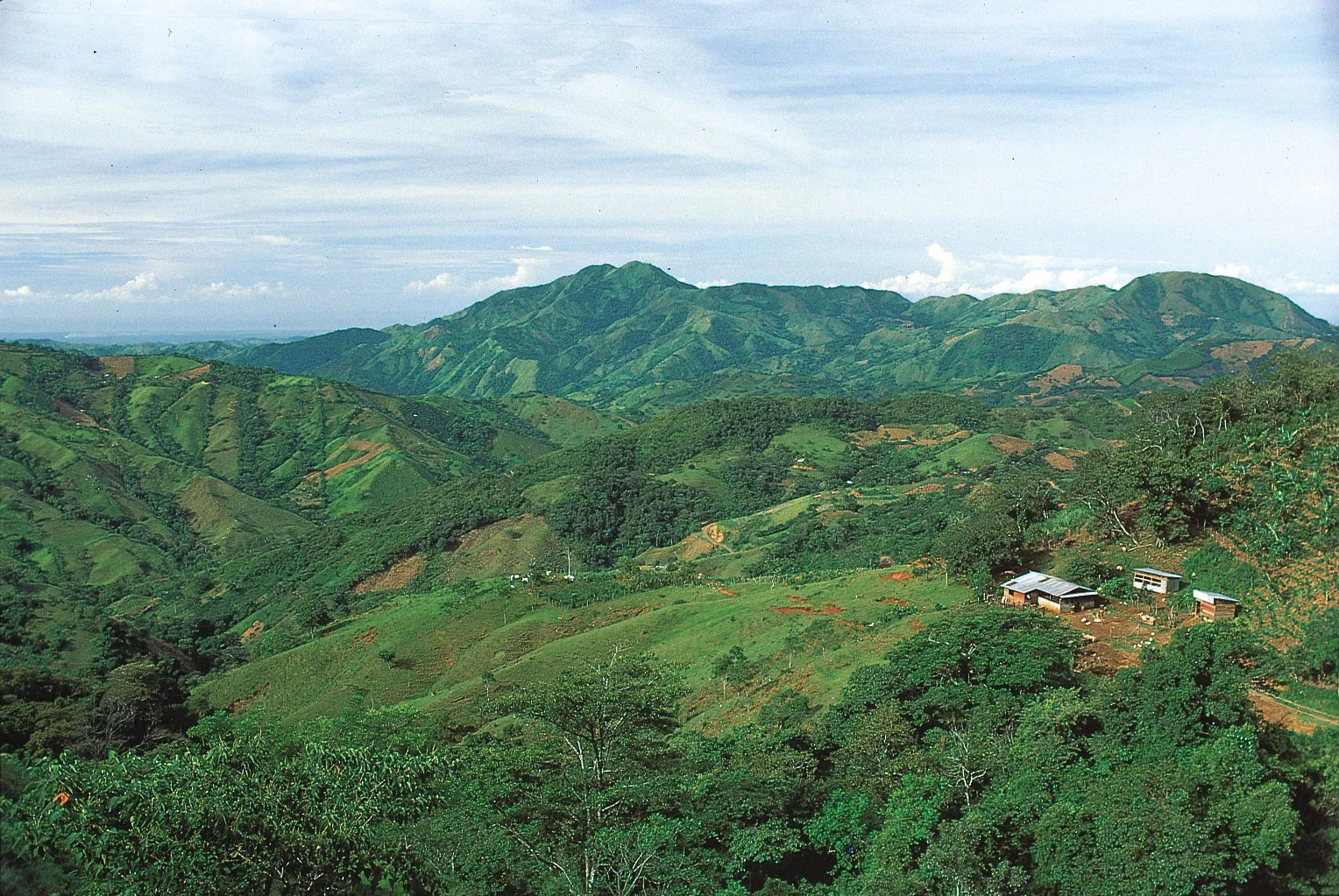
Comayagua sits in Honduras's mountainous interior, a different landscape from the humid northern lowlands associated with the lower Ulúa. In the hills above San Jerónimo, Finca La Cumbre rises to about 1,150 meters. Red volcanic clay, steep ground, spring water, banana, cedar, and shade shape the farm's conditions.
There, Efraín López grows cacao on land his family has worked across three generations. Criollo and a local Indio Rojo landrace are harvested, fermented in wooden boxes under banana leaves, and dried slowly on raised beds. Those details matter because origin does not stop at a map coordinate. Post-harvest decisions travel with the bean.
What makes Honduran cacao taste Honduran?
There is no single Honduran flavor. A country is too large, and cacao is too responsive to place and handling, for one tasting note to cover every lot. A better answer has four parts:
- Genetics. Cacao varieties and local populations carry different flavor potential, productivity, disease resistance, and structure.
- Environment. Elevation, rainfall, soil, shade, surrounding plants, and harvest conditions influence the fruit.
- Post-harvest work. Pod selection, fermentation, turning, drainage, and drying determine which possibilities become usable flavor.
- Chocolate making. Roasting, grinding, refining, recipe, and tempering decide how the maker expresses the bean.
The International Cocoa Organization defines fine-flavor cocoa through the interaction of genetics, environment, plantation management, harvesting, post-harvest practice, and bean integrity. That is useful because it resists a lazy shortcut: no country name alone guarantees quality. The lot must prove itself.
Cacao is agriculture before it is luxury
The polished bar can make chocolate feel detached from farming. In reality, cacao is perishable fruit. Pods ripen unevenly. Wet beans begin changing immediately. Fermentation and drying require space, equipment, time, judgment, and weather awareness. Quality is built through repeated, physical decisions.
Honduras's agriculture agency identifies an organized national cacao chain that includes producers, associations, processing, commercialization, and export. Those systems matter, but the producer relationship cannot be reduced to a sustainability badge. Atucún's standard is partnership: know who grew the cacao, respect the expertise at origin, and make chocolate that keeps the material legible.
From Honduran fruit to an Atucún bar
Tree-to-bar means following the material from fruit through fermentation, drying, roasting, grinding, refining, tempering, and molding. Atucún is rooted in Honduras and finishes small-batch chocolate in the United States. That path carries two places without pretending they are the same place.
The cacao remains the center. Recipes stay focused. Percentage is useful, but the point is not to win a numerical arms race. The point is to let well-grown, well-fermented Honduran cacao speak clearly.
Honduran cacao FAQ
Is Honduras the birthplace of cacao?
No. Botanical and genetic research places cacao's deeper origin in South America. Honduras holds some of the earliest confirmed chemical evidence for cacao beverages in Mesoamerica and an important, long-lived tradition of cacao use and cultivation.
What is the difference between cacao and cocoa?
They refer to the same species and are often used interchangeably. In craft chocolate, “cacao” is commonly used for the fruit, beans, and less processed material, while “cocoa” often appears in commodity, powder, or conventional manufacturing contexts. Usage is cultural and commercial, not a perfect scientific dividing line.
Is all Honduran cacao Criollo?
No. Honduras contains genetic diversity, local landraces, hybrids, and named varieties. Criollo is part of the story, not a label that should be applied to every bean from the country.
What does single-origin Honduran chocolate mean?
It means the cacao is traced to Honduras, ideally with more specificity about region, farm, producer, and lot. The more precise the traceability, the more useful the origin claim becomes.
Meet the people inside the origin
Read the story of Efraín López and Finca La Cumbre, explore the complete fruit-to-bar process, or taste single-origin Honduran chocolate. The mountain keeps its own time. We listen.


