Chocolate labels can sound simple until you are standing in front of a shelf trying to decide what is actually safe, clean, and worth eating. Vegan. Dairy-free. Gluten-free. Soy-free. Plant-based. Each phrase tells you something, but none of them tells you everything.
Vegan Chocolate Starts With the Ingredient List
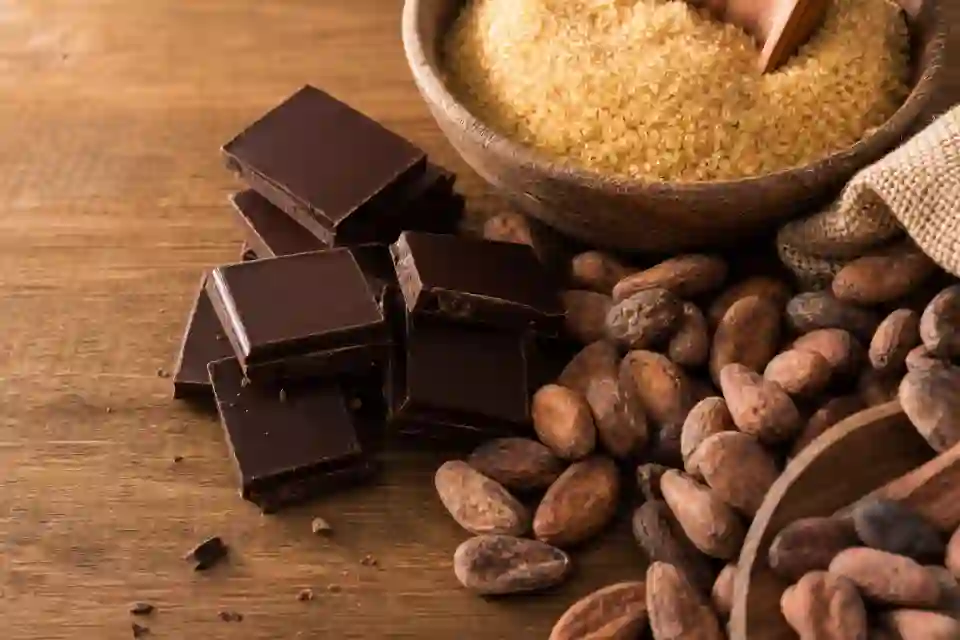
A dark chocolate bar does not need dairy. At its simplest, dark chocolate is cacao and sugar. Sometimes it also includes cocoa butter, vanilla, sea salt, fruit, nuts, or spices. None of those are automatically animal-derived. That is why many serious dark chocolate bars are vegan without needing to advertise it loudly.
The catch is that many commercial dark bars still include milk fat, milk powder, butter oil, whey, or casein. Some brands use these ingredients to soften texture or create a familiar creamy finish. That may be fine for someone who eats dairy, but it matters if you are shopping for a vegan friend or avoiding dairy for personal reasons. The front of the wrapper might say dark chocolate. The back decides whether it is vegan.
Dairy-Free Is Not Always the Same as Vegan
Dairy-free usually means the recipe does not include milk ingredients. Vegan means the recipe avoids all animal-derived ingredients. Those overlap often, but they are not identical. A dairy-free chocolate could still include honey. A vegan bar should not. A milk chocolate bar, even one made with beautiful Honduran cacao, is still milk chocolate and should not be described as vegan.
Atucún makes this distinction carefully. Our dark bars are about radical simplicity: cacao and organic cane sugar. Our milk chocolate is a different product with a different purpose. Our oat milk bar is made to give a creamy, plant-based experience, but the right practice is always the same: check the product page and the label for the exact bar in your hand.
What Gluten-Free Means for Chocolate
Cacao, sugar, and cocoa butter do not contain gluten. A plain dark chocolate bar made from those ingredients is usually gluten-free by recipe. Gluten enters chocolate through inclusions: cookies, wafers, malt, pretzels, certain crisped grains, or flavor systems that were not designed for gluten-sensitive customers.
If you are buying for someone with celiac disease or a serious sensitivity, recipe-level gluten-free is not the whole question. You also want to know how the chocolate is produced and whether the maker gives any cross-contact guidance. That is not glamorous, but it is the honest part of responsible gifting and food buying.
The Soy-Free Question
Soy often appears in chocolate as soy lecithin, an emulsifier used to help liquid chocolate flow through industrial equipment. Soy lecithin is not there because chocolate requires it. It is there because it makes production cheaper and faster. Many people avoid it because of soy sensitivity, personal diet choices, or because they simply want fewer additives in their food.
Atucún dark chocolate does not use soy lecithin. When cacao is properly fermented, carefully roasted, and conched with patience, the bar can earn its texture naturally. That is the point of two ingredients. Nothing to hide. Nothing to smooth over.
How to Shop With Confidence
- Read the full ingredient list before the marketing copy.
- Look for milk powder, whey, butterfat, casein, or cream if you need vegan or dairy-free chocolate.
- Watch for cookies, wafers, malt, or crisped inclusions if gluten matters.
- Choose bars with named cacao origins and short ingredient lists when flavor matters as much as dietary fit.
- When buying gifts, choose a tasting format that explains the origins and ingredients clearly.
Where Atucún Fits
Our dark bars are for people who want to taste cacao without the noise. Honduran cacao. Organic cane sugar. That is the whole structure. The flavor comes from the land, the harvest, the fermentation, and the roast, not from dairy, emulsifiers, or artificial flavoring.
For a first taste, explore the Atucún shop or build a tasting journey with a bundle. If you are choosing for someone with a strict dietary need, use the product label as the final authority. Honest chocolate starts with honest reading.


