Craft chocolate has become a term that means almost nothing. Artisan brands use it. Mass-market brands use it. Luxury hotel gift shop assortments use it. It has been stretched so far from its original meaning that a person shopping for a genuine small-batch bar has almost no way to use the label as a reliable signal.
We make chocolate the way it was meant to be made. So let us be direct about what craft chocolate actually means, and what it doesn't.
What Craft Chocolate Means
At its core, craft chocolate means the maker controls the transformation process from cacao bean to finished bar — in small batches, with intentional sourcing, using their own equipment and judgment. Craft is about process ownership, not marketing positioning.
A genuine craft chocolate maker can tell you exactly where their cacao came from, who grew it, when it was fermented, how long it was conched, and why. If a brand can't answer those questions, it's not craft chocolate. It's craft aesthetics.
Why Most 'Craft' Chocolate Isn't
Here's what's actually in a bar labeled 'craft' at most grocery stores and boutique retailers: commodity cacao beans purchased from a broker. Soy lecithin added for texture and to shorten conching time. Artificial vanilla (vanillin) for sweetness. A packaging aesthetic borrowed from the craft category with nothing underneath to support it.
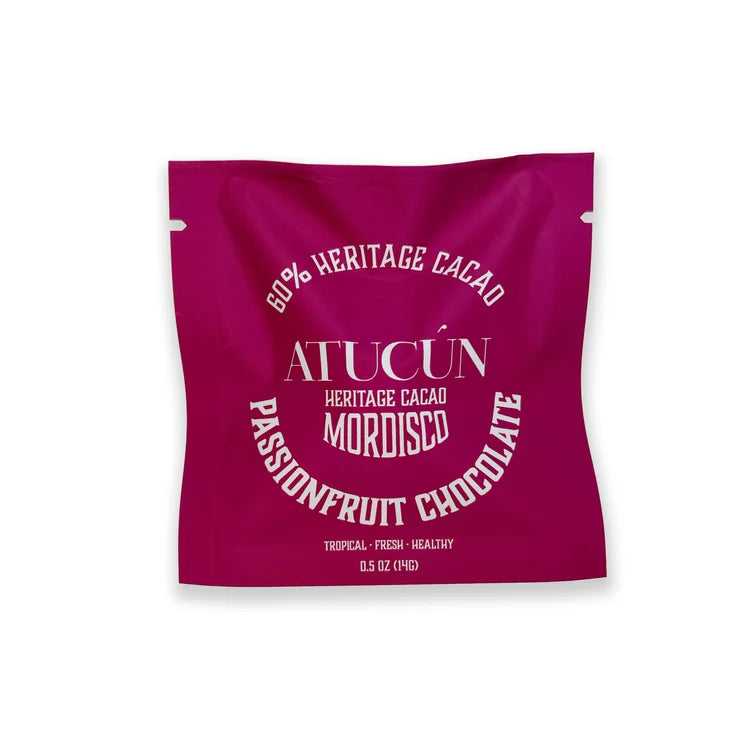
The honest craft makers — Dandelion, Raaka, French Broad, Atucún — all share one characteristic: they could remove everything from the label except cacao and still have excellent chocolate. That's because the quality is in the cacao and the process, not in additives that compensate for shortcuts.
The Five Markers of Genuine Craft Chocolate
- Two to three ingredients maximum. Cacao, sugar, and optionally whole milk powder for milk chocolate. Full stop.
- Named origins. Not 'West African cacao.' A country, a region, ideally a producer's name.
- Direct or semi-direct sourcing. The maker has a real relationship with the people who grew the cacao.
- Small batch sizing. Genuine craft means limited runs — not 'small batch' on a label for a product made in metric tons.
- Process transparency. The brand can describe their fermentation parameters, roast profile, and conch duration.
What Craft Chocolate Tastes Like
Real craft chocolate doesn't taste like the chocolate you grew up with. It's not sweeter. It's more complex. You might taste stone fruit, dried berries, tobacco, leather, jasmine, or coffee — none of which was added. All of it came from the fermentation of a specific cacao variety in a specific place.
When people try an Atucún bar for the first time, the most common reaction is: 'I didn't know chocolate could taste like this.' That's craft. Not the label. The experience.
Honduras: Craft at the Source
Atucún is tree-to-bar. Efrén Elvir Maradíaga walks the farms in Comayagua, Wampusirpi, and Palmichal. He selects harvest timing. He oversees fermentation — a complex, time-sensitive process that is the single largest determinant of chocolate flavor. He dries the cacao under his supervision. Then it ships to Grand Rapids, where it's roasted, ground, conched, and tempered.
Two ingredients. Multiple international awards. Zero shortcuts. That is what craft means when you're willing to do the work.
Why It Matters
Chocolate was the sacred drink of kings. It was given as tribute. It was used in ceremony. The Maya called cacao 'the food of the gods' — and they meant it.
The mass-market chocolate industry turned that into sugar delivery with chocolate flavoring. The craft movement is reversing that direction. When you buy from a genuine craft maker, you're not just buying a product. You're restoring the dignity of a 4,000-year-old food tradition.


