
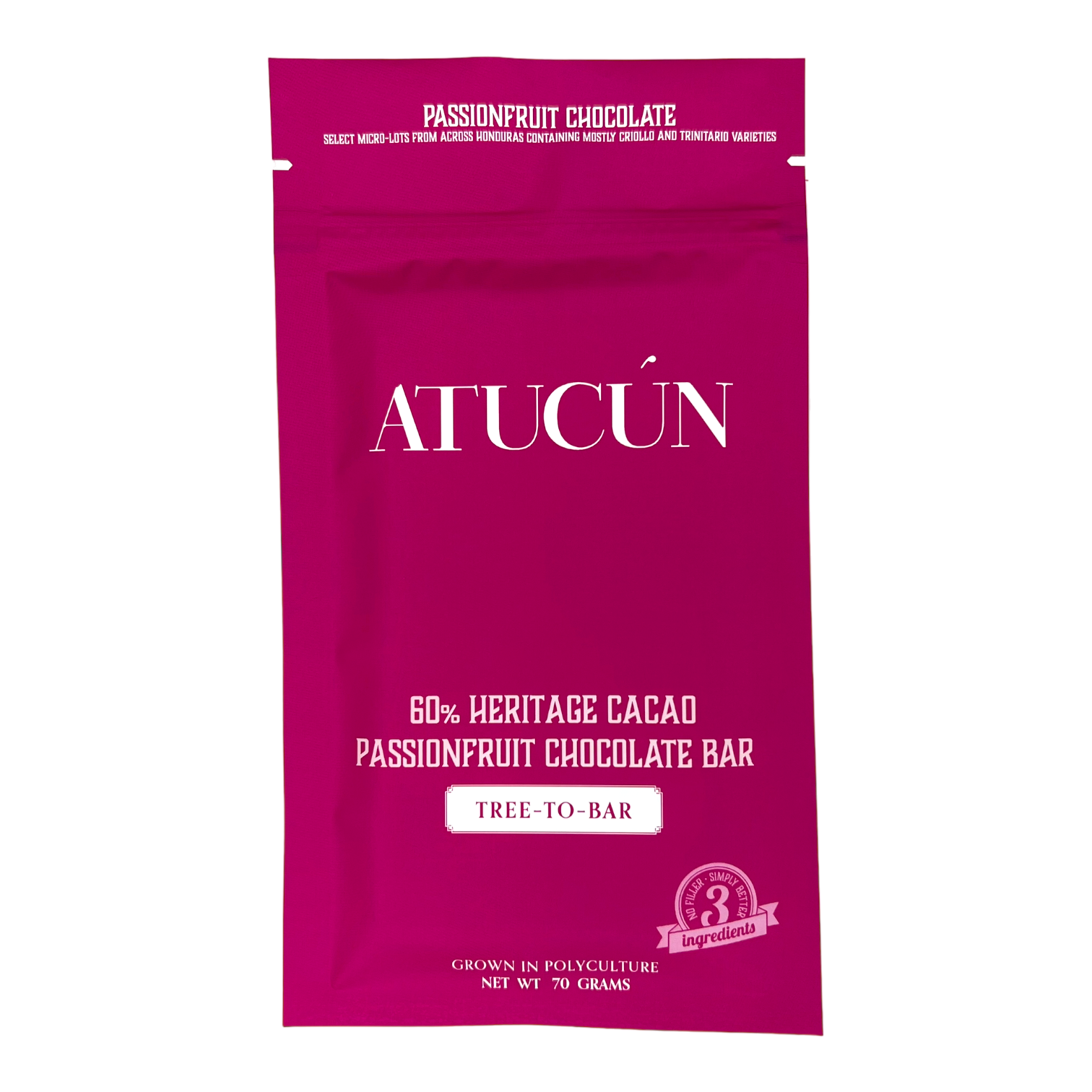
Chocolate tasting — like wine tasting or coffee cupping — is a learnable skill. Most people have never been taught how to actually taste chocolate, which means they've been missing most of what's in the bar. This guide will change that.
Why Chocolate Tasting Is Worth Learning
A 70% dark chocolate bar from Honduras tastes completely different from a 70% bar from Madagascar. Not a little different. The flavor profiles are as distinct as a Burgundy Pinot Noir versus a California Cabernet — the percentage is identical, but the cacao origin and fermentation change everything. (If you've ever wondered why two bars at the same number taste nothing alike, our guide to cacao percentage explains it.) But if you rush through eating it, you'll taste 'dark chocolate' and nothing else.
Fine chocolate contains compounds that interact with your palate over time — a front note, a mid-palate development, and a finish that can last for thirty seconds or longer. You need to slow down to experience it.
The Four-Step Chocolate Tasting Method
Step 1: Look
A well-made dark chocolate bar should have an even sheen — a slight gloss that indicates proper tempering. Look for a smooth surface without bloom (white-grey streaks or spots), which indicates temperature instability during storage, not a quality defect in the chocolate itself.
Step 2: Snap
Break the bar. Listen. A properly tempered dark chocolate makes a clean, sharp snap — not a soft break, not a crumble. The snap is a result of the crystalline fat structure created during tempering. A dull break can indicate poor tempering or bloom.
Step 3: Smell
Hold the broken piece under your nose and breathe in slowly. The aroma gives you a preview of the flavor. Fine single-origin chocolate may smell of dried fruit, red wine, tobacco, fresh earth, or flowers. This is not imagined. These are volatile aromatic compounds produced during fermentation that survive processing.
Step 4: Melt
Place the chocolate on the center of your tongue and let it melt. Do not chew. Chocolate melts at approximately body temperature — let that process happen naturally. As it melts, pay attention to three moments: the front note (the first flavor impression, often bright or acidic), the mid-palate (the body of the flavor, where complexity develops), and the finish (what remains after the chocolate is gone — this can linger for thirty seconds in high-quality bars).
Tasting Vocabulary: What You Might Notice
- Fruit: Dried cherry, raspberry, raisin, prune, stone fruit, citrus, tropical fruit, red berries.
- Earth: Tobacco, leather, mushroom, wet soil, forest floor.
- Flora: Jasmine, rose, lavender, orange blossom.
- Nut: Almond, walnut, toasted hazelnut.
- Roast: Coffee, espresso, bitter cocoa, dark caramel.
- Dairy/cream: In milk chocolates, and sometimes in dark chocolates with high cacao butter content.
- Spice: Cinnamon, cardamom, clove, black pepper.
None of these are added flavors. They are products of cacao genetics, terroir, fermentation chemistry, and roasting.
Comparing Origins Side by Side
The most revealing chocolate experience is a side-by-side comparison of two or more origins at the same percentage. Use Atucún's mordisco collection: bite-sized pieces of Palmichal, Terrero Blanco, Clandestina, and Wampusirpi — all from single-origin Honduran cacao, all different.
Taste Palmichal first: bright acidity, stone fruit, floral finish. Then Terrero Blanco: deeper, rounder, dark fruit and earth. Then Clandestina: bold, toasted, savory. The differences are unmistakable once you slow down to find them. For a deeper dive into each bar's profile, see our complete guide to every Atucún bar.
Ready to go further? Once you've mastered the basics here, our chocolatier's method for tasting single-origin dark chocolate takes the same approach deeper.


