Cacao Nib Energy Bites: No-Bake, No Sugar Crash
What do you actually do with cacao nibs? Start here. These no-bake energy bites use nibs for crunch and a gentle, real-cacao lift — five minutes of work, no oven, naturally vegan.
Atucún Journal
Stories from Honduras - exploring cacao culture, chocolate traditions, and the people who make our chocolate possible
What do you actually do with cacao nibs? Start here. These no-bake energy bites use nibs for crunch and a gentle, real-cacao lift — five minutes of work, no oven, naturally vegan.
Chocolate and water. That's it. This French technique whips melted dark chocolate into a light, intense mousse with no eggs, no cream, and no dairy — and it works because of what's already in a good bar.
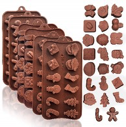
Melt, top, set. Dark chocolate bark is the easiest impressive thing you can make — and with a real single-origin bar and good toppings, it tastes like something from a chocolate shop.
Powdered mixes can't touch it. Made from a real single-origin dark chocolate bar, this hot chocolate is rich, glossy, and barely sweet — the way it was meant to taste. Three ingredients, ten minutes.

60%, 70%, 85% — most people pick a chocolate bar based on the number on the front. The number is real, but it tells you less than you think. A chocolatier explains what cacao percentage actually means, why two 70% bars can taste nothing alike, and how to use the number to find chocolate you will actually enjoy.

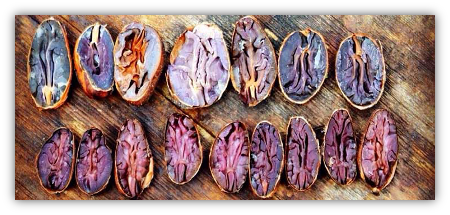
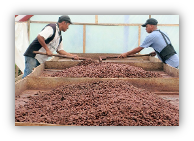
A day at an Atucún cacao farm in Comayagua, Honduras: the origins of our chocolate, the milpa de cacao farming tradition, and why fermentation is the most important step most people have never heard of.
Grown in the highlands of Honduras
A visit to a coffee farm in Honduras changed everything. Efrén Funez encountered Honduran cacao and saw what the world had been overlooking.
He spent years learning the craft, from fermentation to roasting to tempering. The goal was straightforward: chocolate that honors the land and people of Honduras.
Our Story